





The Hidden Stories: Symbolism in South Asian Art
|
|
Time to read 5 min
South Asian inspired designs for the perfect accent decor
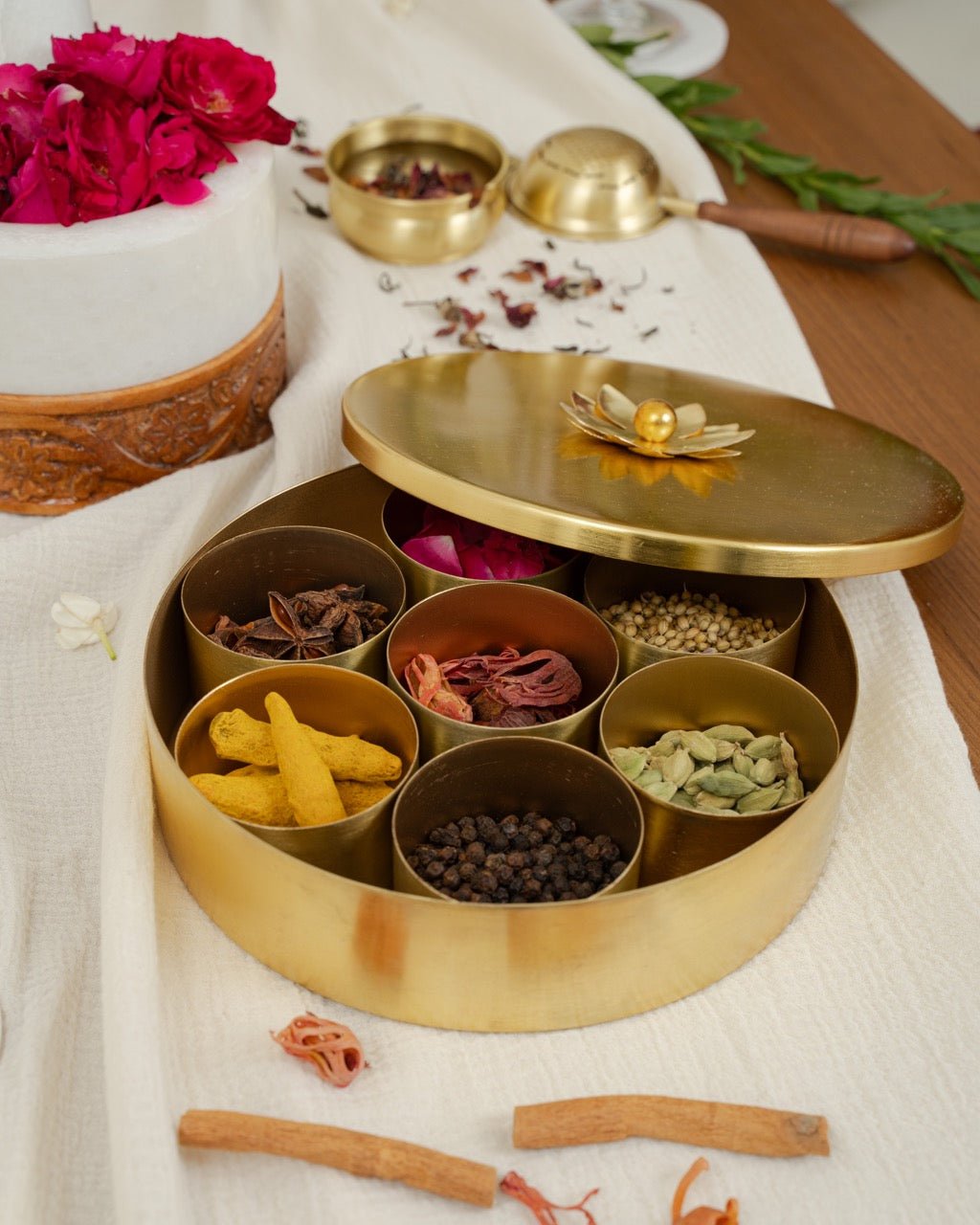
From chai strainers to tea cups to spice boxes, we have got it all!
|
|
Time to read 5 min
This blog explores the rich visual language of Symbolism in South Asian art, highlighting the deeper meanings behind traditional motifs such as marigolds, lotus, mogra, mango, and pomegranate. It examines the symbolic elements found in Pichwai paintings, including sacred cows, floral abundance, and expressive color palettes, as well as the religious and nature-inspired imagery of Madhubani art. The article shows how these motifs carry stories of devotion, prosperity, and harmony, and how Symbolism in South Asian art continues to inspire meaningful, culturally rooted interiors today.
Symbolism in South Asian art is a rich visual language shaped by centuries of belief, tradition, and craftsmanship. Across India and neighboring regions, artists use motifs that are not just beautiful but deeply meaningful. When we explore the symbolism, we uncover themes of prosperity, devotion, purity, and the eternal cycle of life. This makes home decor and artistic expression feel rooted in culture rather than just decoration.
Flowers stand as one of the most powerful forms of Symbolism in South Asian art. Whether woven into textiles, painted on walls, or carved in stone, each bloom expresses a story. By understanding Symbolism in South Asian art, we gain insight into how nature reflects values like growth, joy, and spiritual protection.
The marigold frequently appears in Symbolism in South Asian art due to its strong association with celebration and purity. Used in weddings and temple offerings, it embodies:
Joyful beginnings
Protection from negativity
A bright, spiritual aura
This flower’s fiery hue turns every artistic space into a palace of blessings via symbolism.
Marigolds are also used as natural pigments in traditional forms of painting in South Asia!
The lotus is one of the most recognizable icons in Symbolism in South Asian art. Emerging untouched from muddy waters, it represents:
Enlightenment and grace
Beauty born from struggle
Divine feminine energy
In murals, fabrics, and sculpture, the lotus is used to depict spiritual awakening and transcendence.
Fragrance becomes visual in Symbolism in South Asian art through mogra motifs. This delicate white flower symbolizes:
Romance and emotional peace
Night-time beauty and devotion
The calming aroma transforms into design, and mogra patterns highlight tender energy in Symbolism in South Asian art.
Mango motifs show up everywhere from paisley shapes to leaf borders because Symbolism in South Asian art sees the mango as a life-giver. It reflects:
Abundance and thriving households
Creative growth and joy
Mango imagery enhances textiles and pottery due to strong symbolism.
With its many seeds, the pomegranate in Symbolism in South Asian art celebrates:
Family unity
Fertility and continuity of generations
Each seed holds meaning, reinforcing the layered depth of symbolism.
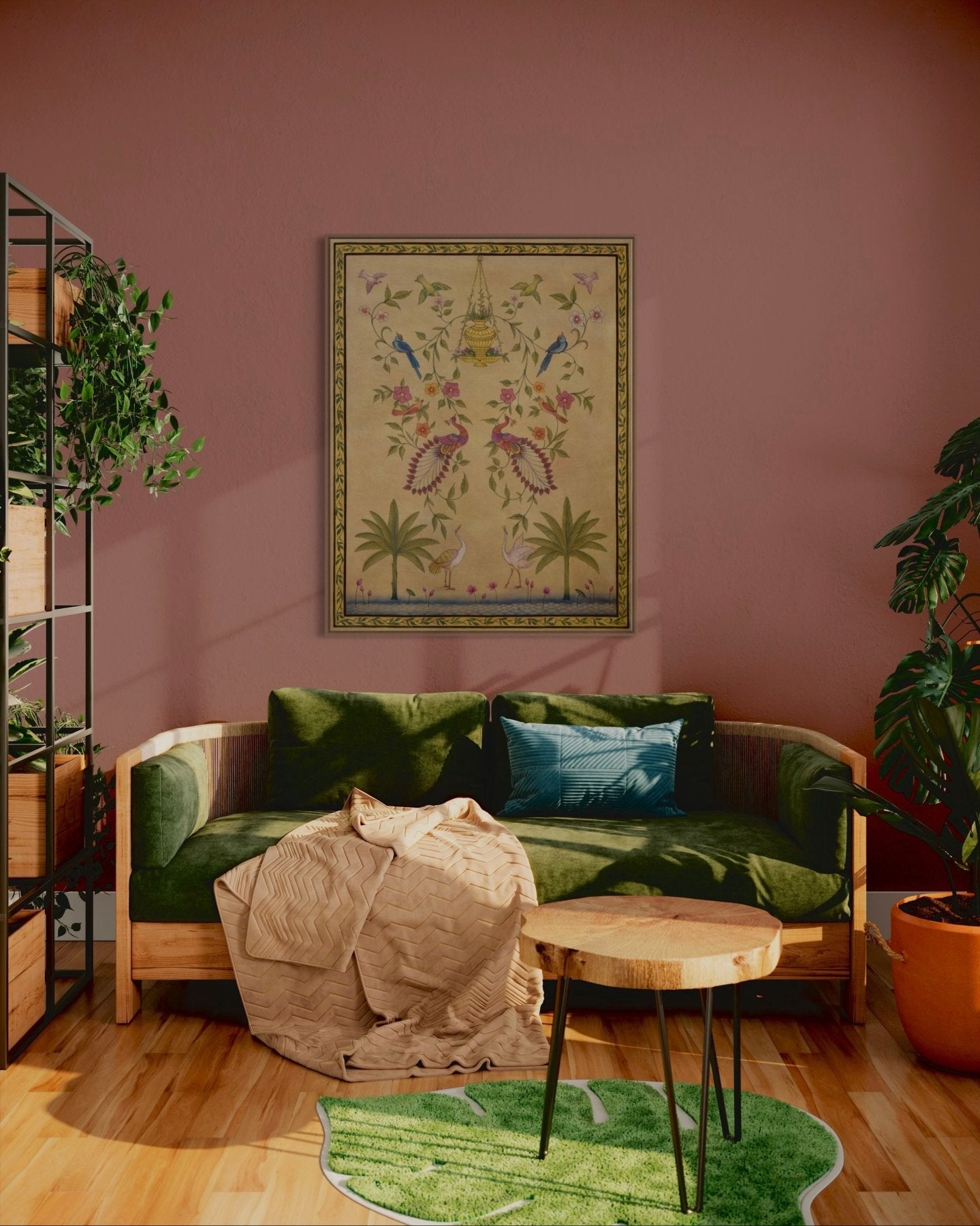
Originating from Rajasthan, Pichwai paintings showcase Symbolism in South Asian art devoted to Lord Shrinathji. Every element; cows, lotus blooms, and festive colors, serves a spiritual purpose. Through symbolism Pichwai becomes a prayer on canvas.
Lotus garlands and trailing vines fill space in Pichwai because Symbolism in South Asian art uses floral abundance to honor the divine. They reflect:
Offering and gratitude
Nature’s beauty as worship
Their presence embodies joyful surrender, a central idea in South Asian art.
Color theory is deeply intentional in South Asian art:
Blue → divinity and the cosmic universe
Yellow → joy, happiness, and harvest
Red → love, life, and passion
Through color, symbolism turns faith into storytelling.
The cow is sacred in South Asian art. In Pichwai, cows often appear near the deity as symbols of:
Motherly protection
Humility and service
Cows represent a bond between humanity and purity, strengthened by Symbolism in South Asian art.
From Bihar, Madhubani brings village identity to life through Symbolism in South Asian art. Bold outlines and natural dyes preserve rituals and narratives passed through matrilineal heritage. In every composition, Symbolism in South Asian art weaves religion, nature, and feminine power together.
Gods and goddesses appear frequently because Symbolism in South Asian art treats devotion as daily life. These symbols express:
Blessings from divine forces
Connection between spirituality and survival
The sacred becomes accessible when Symbolism in South Asian art guides the design.
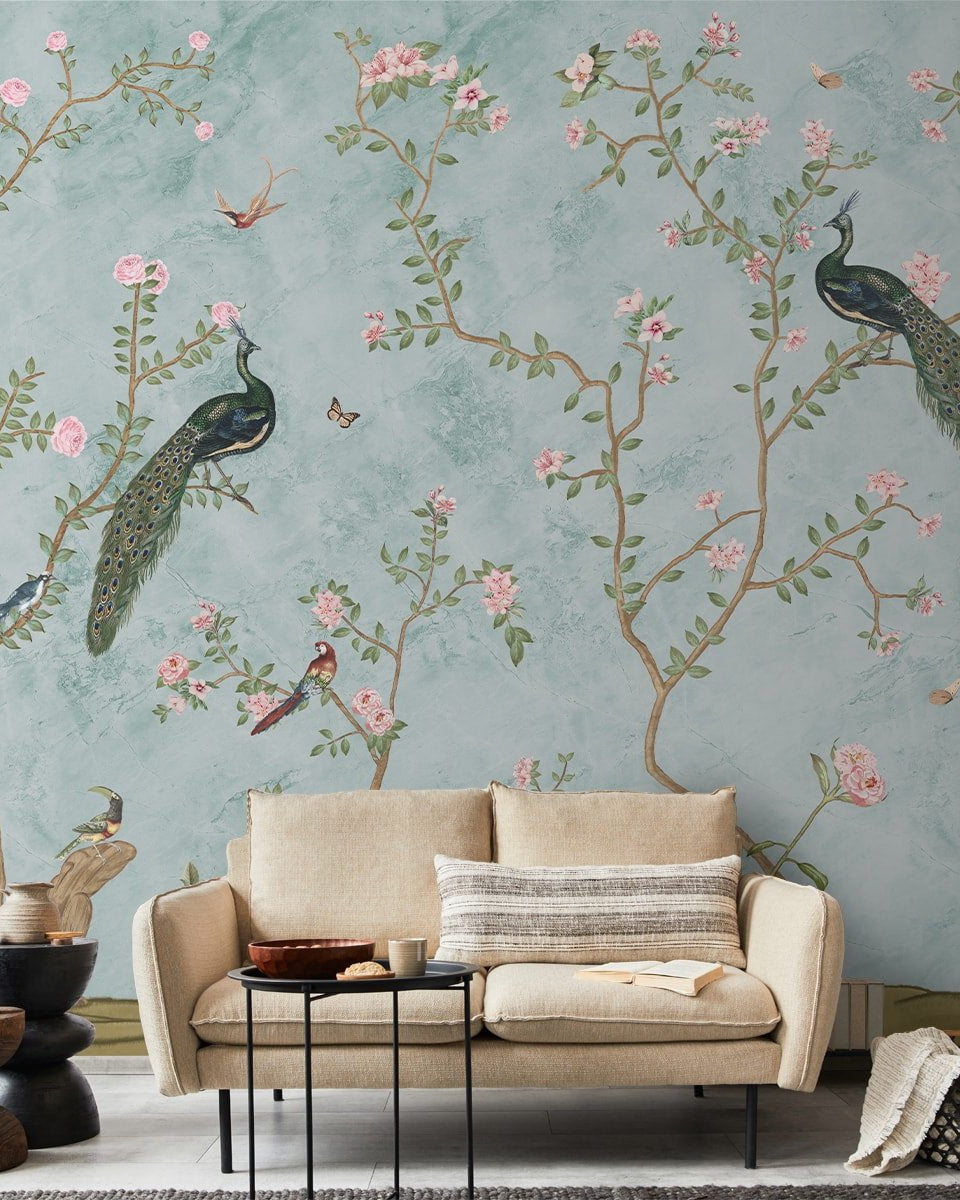
Trees, fish, peacocks, and the sun show how Symbolism in South Asian art honors the natural world. These motifs reveal:
Growth, movement, prosperity
Harmony with the environment
Such imagery keeps ecological wisdom at the heart of Symbolism in South Asian art.
Women are central to Symbolism in South Asian art. Brides, mothers, and dancers represent:
Strength of community
Continuity through motherhood
Their presence highlights empowerment glowing within Symbolism in South Asian art.
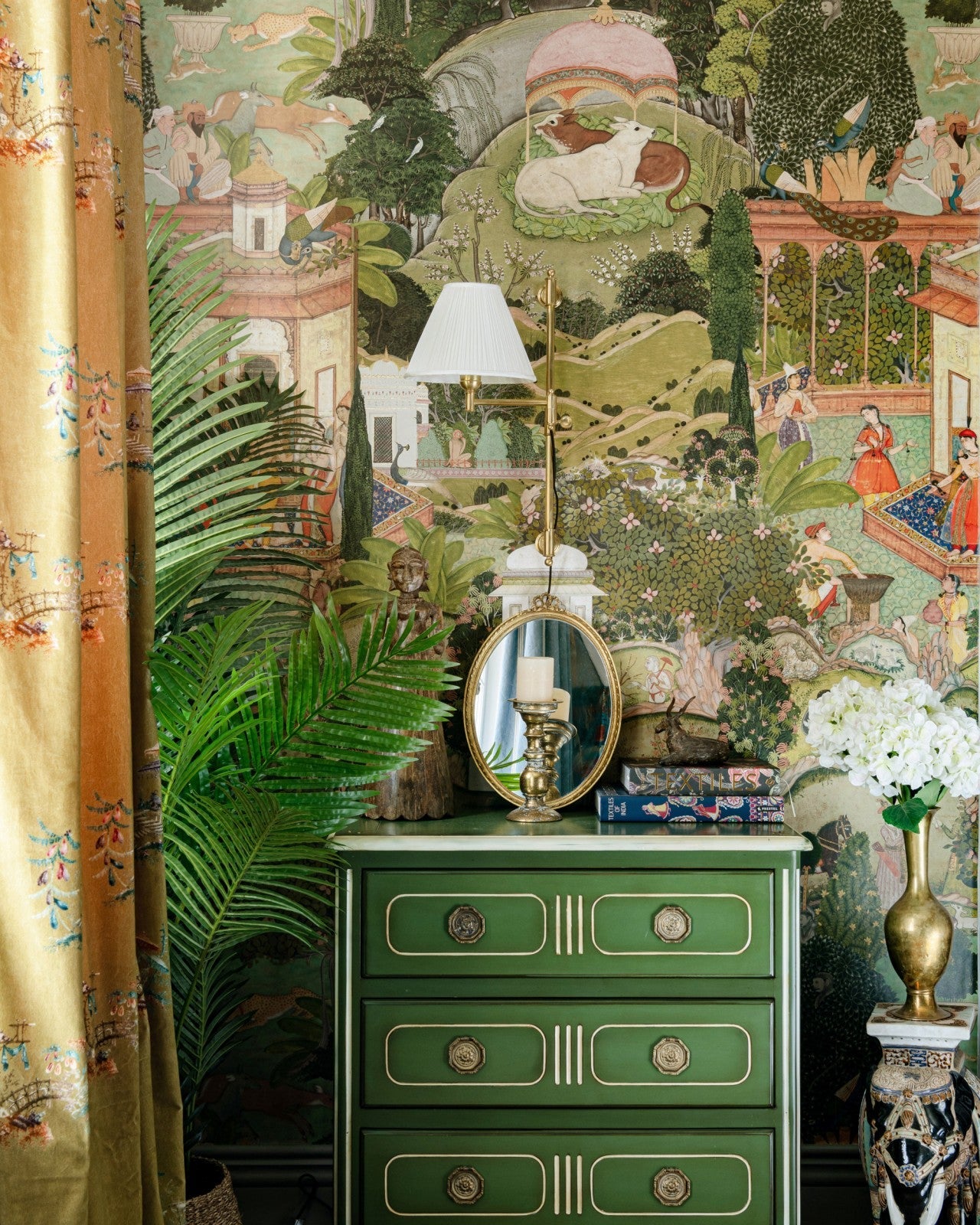
Decor influenced by Symbolism in South Asian art isn’t just visually striking, it keeps our heritage alive. Whether through a lotus throw, pomegranate motif, or Pichwai cow artwork, Symbolism in South Asian art helps:
Add narrative and depth to interiors
Honor ancestral traditions
Create culturally rooted styling
Even contemporary homes glow with Symbolism in South Asian art.
When curating spaces that feel soulful, choose décor featuring Symbolism in South Asian art. These motifs remind us where we come from. They allow Symbolism in South Asian art to turn every room into visual storytelling.
Craft lovers who admire hand-painted, handwoven, or hand-printed décor understand the warmth cultural textiles bring. Intricate borders, sacred symbols, and spiritual design elements create depth that mass production cannot replicate.
Art becomes a conversation starter
Every motif carries a story worth sharing
Traditional skills are preserved for the future
Supporting artisan communities also uplifts rural economies across South Asia, where heritage craftsmanship remains a primary livelihood.
By collecting pieces that showcase Symbolism in South Asian art, we create spaces filled with meaning. The emotional bond formed through Symbolism in South Asian art makes décor deeply personal. Artists continue evolving Symbolism in South Asian art so future generations appreciate heritage. When we choose designs that honor Symbolism in South Asian art, we celebrate our roots. The timelessness of Symbolism in South Asian art ensures culture lives on. Ultimately, Symbolism in South Asian art keeps identity, beauty, and spirituality flourishing in everyday life.
Sohaya Gill | Marketing Manager, Marble Lotus
At Marble Lotus, we blend heritage with modern design to bring timeless beauty and cultural richness into your home.